
CroisiEurope's Sustainability and Environmental Policy
Environmental responsibility is an increasingly important consideration for Australian travellers choosing a cruise company. Here is the complete guide to CroisiEurope's approach to sustainability what the company is doing, what challenges river cruising faces environmentally, and how it compares to broader travel alternatives.
River Cruising and the Environment: The Context
Any form of motorised travel has an environmental footprint. River cruising like all cruise travel consumes fuel and produces emissions. The honest starting point is that river cruising is not a zero-emissions activity. However, the environmental comparison with alternative forms of European travel is more nuanced than a simple 'cruises are bad for the environment' conclusion.
CroisiEurope's Sustainability Initiatives
Fleet Modernisation
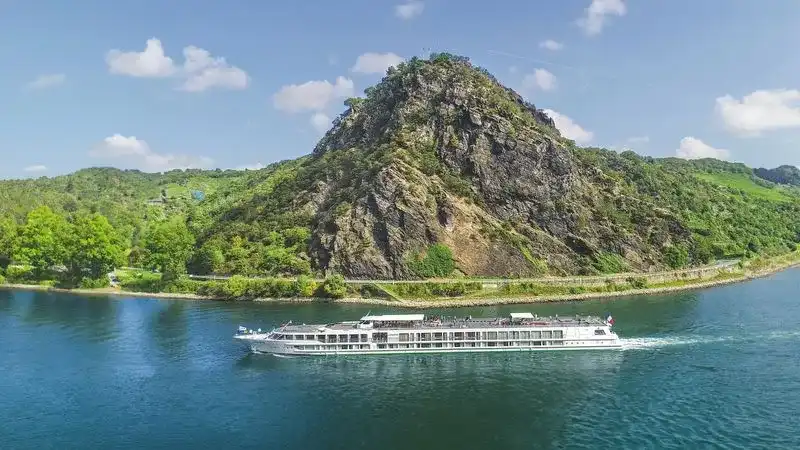
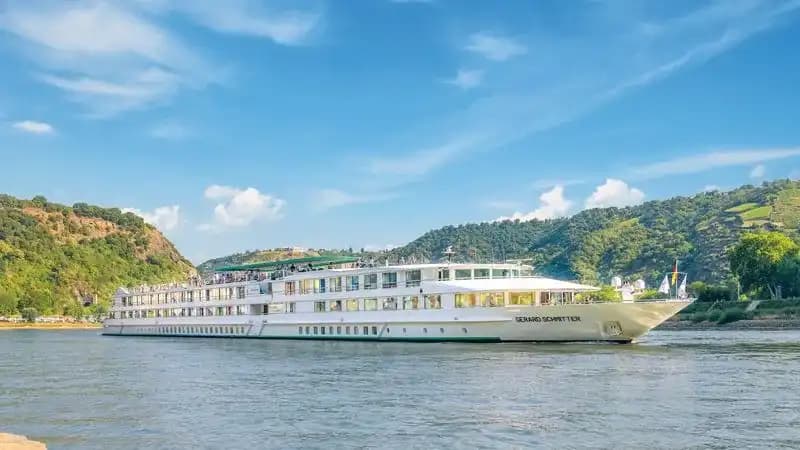
CroisiEurope has been progressively replacing older vessels with new-generation ships designed with improved fuel efficiency. New builds incorporate modern diesel-electric propulsion systems that are significantly more fuel-efficient per passenger-kilometre than older vessels. The company's investment in new ships typically 1 3 per year gradually improves the fleet's overall environmental performance.
Shore Power Connection
When moored at ports with shore power infrastructure, CroisiEurope ships connect to shore electricity rather than running engines eliminating emissions and noise during port stays. Shore power infrastructure is increasingly available at major European river cruise ports. CroisiEurope supports its expansion.
Waste Management
CroisiEurope operates comprehensive waste separation and recycling programmes on all vessels glass, paper, plastic, food waste. EU environmental regulations for vessel waste management apply to all CroisiEurope ships operating on European waterways, and the company complies with or exceeds these standards.
Water Management
Wastewater is managed and treated on board discharge of untreated wastewater into European rivers is prohibited under EU law and actively monitored. Grey water treatment systems are standard on the CroisiEurope fleet.
Local Food Sourcing
CroisiEurope's kitchen sources regional produce where possible the Alsatian vegetables used in Strasbourg, the Douro market produce used on Portuguese itineraries, the Danube valley meats and cheeses served in Austria. This local sourcing reduces transport emissions associated with food supply and supports local agricultural economies.
The Broader Environmental Comparison
For Australian travellers who have already flown to Europe (the largest single environmental cost of the trip approximately 5 6 tonnes of CO2 per return long-haul flight), travelling by river cruise rather than renting a car, using coaches, or flying between cities is often the lower-emission option for the in-destination portion of the trip. A river cruise carrying 150 passengers uses significantly less fuel per person than 75 rental cars or 3 coach tours covering the same distance.
Carbon offset programmes (available through most Australian airlines and third-party providers) allow travellers to offset the emissions of both the flight and the cruise component of their trip. This is not a perfect solution, but it is a practical one.
Enquire with CroisiEurope Australia
For bookings, brochures, or any questions about CroisiEurope itineraries, contact our dedicated Australian team.
Phone: 1300 739 652 | Email: contact@croisicruises.com
Website: www.croisieuroperivercruises.com.au | Tweet World Travel, 544 Magill Road, Magill SA 5072
2027 departures are open for booking now.